
Azure Arc Definition for Manufacturing IoT Hybrid Governance in Central Florida
What is azure arc definition? Azure Arc is Microsoft Azure governance technology that projects on-premises and multi-cloud resources into a unified Azure management plane. It enables continuous verification, least-privilege access, and assume-breach monitoring for hybrid environments through lightweight agents that connect PLC, SCADA, and server workloads directly to Azure Policy without requiring full migration.
Table of Contents
- Azure Arc Definition for Manufacturing IoT Hybrid Environments
- Zero Trust Controls Enabled by Azure Arc in Central Florida Factories
- Support Tier Comparison for Hybrid Azure Manufacturing Deployments
- Implementation Checklist for Azure Arc Onboarding in Orlando Manufacturing Facilities
- Common Pitfalls When Applying Azure Arc Definitions to Factory IoT
- Pro Tips for Maintaining Azure Arc Governance in Central Florida Production Lines
Azure Arc Definition for Manufacturing IoT Hybrid Environments
Core definition of Azure Arc governance
What is azure arc definition in the context of hybrid manufacturing IoT? Azure Arc is the Azure service that registers non-Azure resources as first-class Azure entities. The definition centers on a lightweight agent that runs on Windows and Linux servers and reports configuration state to the Azure Policy engine in real time. This agent-based model allows Central Florida manufacturers to apply the same governance controls used in Azure to on-premises production systems. The relationship between Azure Arc and Azure Policy is direct: Azure Arc supplies the inventory and connectivity layer while Azure Policy supplies the evaluation and remediation engine. Together they create a single source of truth for compliance across hybrid boundaries. Entity clarity is essential here because Azure Arc does not replace existing directories or firewalls; it projects them into Azure for unified oversight.
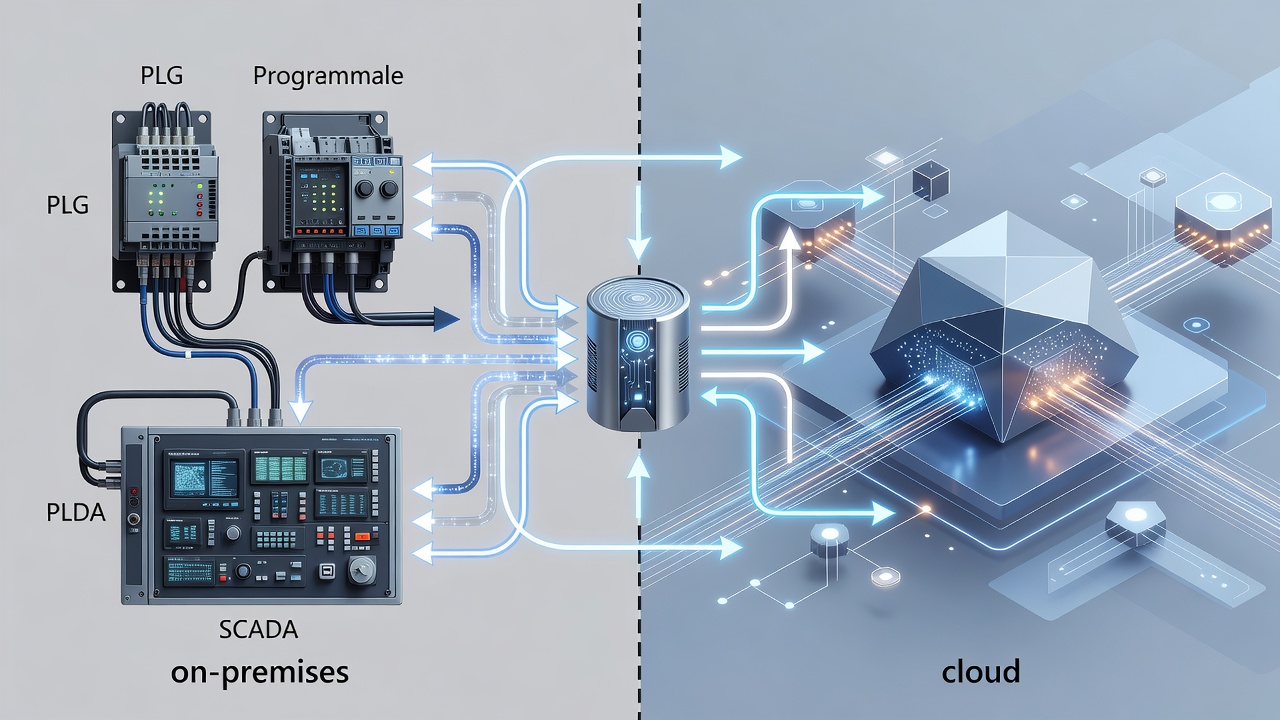
Lightweight agent deployment on industrial systems
Deployment begins with downloading the Azure Arc agent package and installing it on target servers that host PLC and SCADA workloads. Once installed, the agent authenticates to Azure using a service principal or managed identity. The agent then registers the server as an Azure Arc-enabled server resource. This registration enables subsequent assignment of Azure Policy definitions that enforce baseline security settings such as disk encryption, update schedules, and endpoint protection status. The process maintains operational continuity because the agent operates as a background service and does not require workload relocation.
Real-time policy enforcement across hybrid boundaries
Policy evaluation occurs continuously. Every configuration change on an Azure Arc-enabled server is assessed against assigned policies. Non-compliant states trigger either alerts or automated remediation through Azure Automation. This real-time loop is the practical expression of the verify-explicitly principle within the azure arc definition. For Orlando-area factories the result is consistent security posture whether workloads reside on-premises or in Azure.
Zero Trust Controls Enabled by Azure Arc in Central Florida Factories
Identity federation and continuous verification
Azure Arc integrates with Azure Active Directory to extend existing on-premises directories into Azure. Federation preserves current authentication mechanisms while adding Conditional Access policies that evaluate sign-in risk, device compliance, and session behavior. Multi-factor authentication becomes mandatory for administrative accounts managing hybrid clusters. Session controls limit duration and scope of elevated access. The relationship between Azure Arc and Conditional Access is that Azure Arc provides the resource inventory that Conditional Access policies reference when granting or denying access to factory systems.

Network micro-perimeter design for industrial control systems
Micro-segmentation isolates traffic flows so that only explicitly authorized paths exist between cluster components. Azure Private Link combined with network security groups creates enforceable micro-perimeters. This design prevents unauthorized lateral movement even when one segment is compromised. The azure arc definition therefore includes network controls that map directly to the assume-breach principle.
Threat protection integration with Defender for Cloud
Defender for Cloud receives unified alerts from both on-premises and cloud workloads through Azure Arc agents. Baseline policies define minimum security posture including disk encryption, update management, and endpoint protection. Alert response workflows route high-severity findings to security operations teams while lower-severity items trigger automated remediation. This integration creates a single pane of glass for Central Florida security teams.
Support Tier Comparison for Hybrid Azure Manufacturing Deployments
| Tier | Response Time | Azure Integration |
|---|---|---|
| Production Critical | Under 15 minutes | Full hybrid management |
| Standard Operations | Under 4 hours | Policy monitoring and alerts |
| Basic Monitoring | Next business day | Inventory and compliance reporting |
Implementation Checklist for Azure Arc Onboarding in Orlando Manufacturing Facilities
Assessment phase inventory
Complete a full inventory of all cluster nodes and workloads using Azure Arc discovery tools before any policy changes are applied.
Identity and policy setup
Configure Conditional Access rules and assign role-based access controls restricted to verified identities only.
Network controls and monitoring
Apply micro-segmentation rules and enable continuous monitoring dashboards that correlate Azure Arc compliance data with on-premises SIEM events.
Common Pitfalls When Applying Azure Arc Definitions to Factory IoT
Organizations frequently underestimate the scope of identity federation required for legacy service accounts. Overly broad policies can block legitimate cluster-to-cluster communication. Incomplete service principal inventories leave orphaned identities outside least-privilege enforcement. Failure to align on-premises certificate authorities with Azure AD certificate-based authentication creates additional exposure.
Pro Tips for Maintaining Azure Arc Governance in Central Florida Production Lines
Start with non-production workloads to validate policy impact before applying controls to critical production clusters. Maintain 24/7 monitoring dashboards that correlate Azure Arc compliance data with on-premises SIEM events. Assign a dedicated project lead who coordinates between infrastructure, security, and application teams. Test failover scenarios regularly to confirm that zero-trust controls do not introduce unacceptable latency during recovery operations.
Learn more about related services: Azure Hybrid Migration Checklist for Manufacturers Central Florida 2026 and HIPAA Compliant IT Solutions for Orlando Healthcare 2026.
Specializing in IT & Cloud Solutions, Fox Computer Solutions Inc. provides comprehensive virtualization, network consulting, and technical evaluation services across Central Florida.
Frequently Asked Questions
What are the first steps to apply zero trust to an existing Azure Arc cluster?
Begin with a full inventory of cluster nodes and workloads, enable Azure Arc governance policies, then enforce Conditional Access rules across all identities.
How does the azure arc definition support continuous verification?
Azure Arc supplies the agent-based connectivity that feeds configuration state to Azure Policy, enabling real-time evaluation against defined baselines for every identity, device, and workload.
What network services enforce micro-perimeters when using Azure Arc?
Azure Private Link combined with ExpressRoute circuits and network security groups creates enforceable micro-perimeters that isolate traffic between on-premises systems and cloud resources.
