
Cloud Services
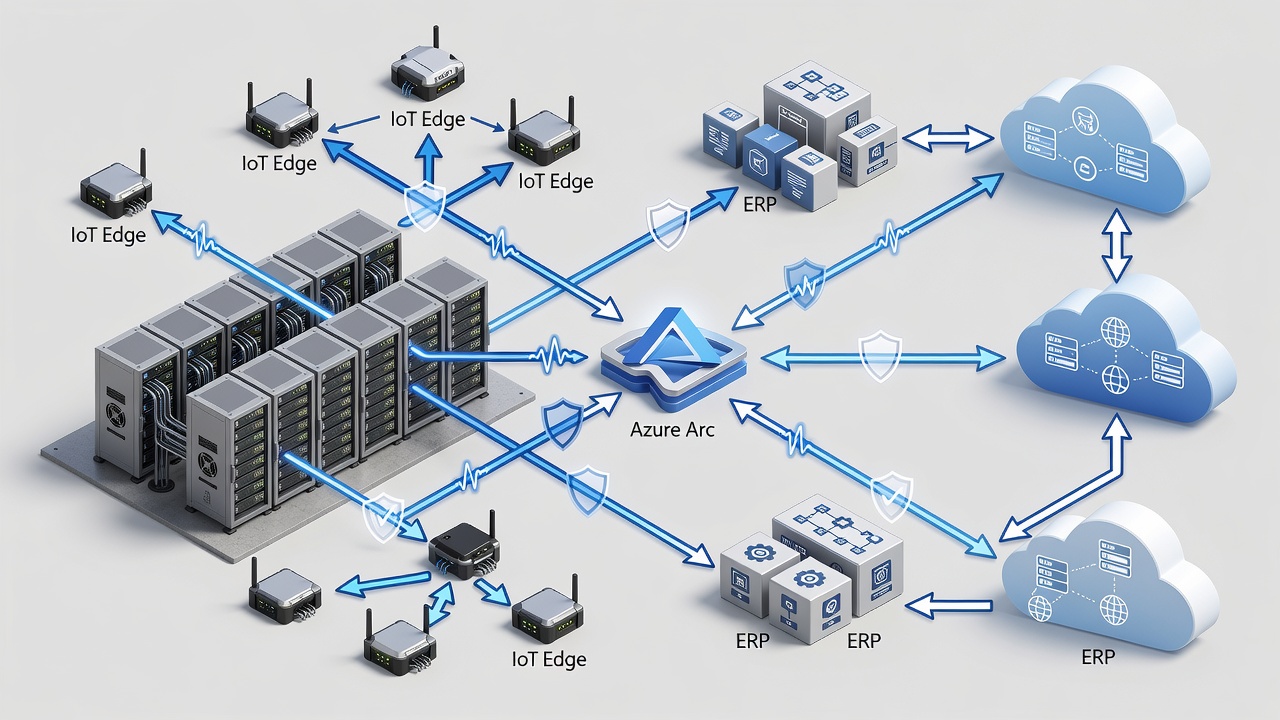
Cloud Services deliver scalable infrastructure that integrates on-premises systems with cloud platforms. Hybrid configurations using Azure Arc enable consistent management across environments while supporting IoT edge workloads. Organizations gain reduced latency for critical processes and advanced analytics capabilities in line with industry standards.
Table of Contents
- Cloud Services Architecture Overview
- Pre-Migration Assessment Phase
- Networking and Connectivity Requirements
- Security and Compliance Checklist Items
- Migration Execution and Cutover Steps
- Common Pitfalls in Cloud Services Projects
- Pro Tips for Successful Cloud Services Deployments
Cloud Services Architecture Overview
Cloud Services combine on-premises systems with cloud resources to maintain operational continuity. Azure Arc provides unified management across both environments while supporting IoT edge workloads common in production facilities. In modern business practice, organizations benefit from lower latency on critical processes alongside cloud-based analytics. Manufacturing IoT and Edge Requirements keep latency-sensitive controls on-site while sending analytics to the cloud. According to industry standards, this approach supports predictive maintenance models that reduce unplanned downtime by integrating Azure IoT Hub with local PLC systems.
Pre-Migration Assessment Phase
A thorough assessment forms the foundation of every successful cloud services deployment. This phase identifies legacy ERP systems, IoT devices, and production dependencies that must remain operational during transition. Florida Regulatory and Data Residency Factors require prioritization of appropriate regions and hybrid controls to satisfy compliance needs. In real-world implementations, facilities have successfully maintained data sovereignty while leveraging suitable regions for sensitive production data.
| Phase | Key Tasks | Considerations | Timeline Estimate |
|---|---|---|---|
| Assessment | Inventory legacy systems and IoT devices | Account for production downtime windows | 2-3 weeks |
| Networking | Map connectivity and bandwidth needs | Evaluate ISP redundancy options | 1-2 weeks |
| Security | Review compliance and access controls | Align with regulatory requirements | 1-2 weeks |
Networking and Connectivity Requirements
Reliable connectivity between facilities and cloud platforms is essential for cloud services. The checklist evaluates ExpressRoute or VPN options and accounts for ISP diversity. A common mistake businesses make is underestimating bandwidth needs for real-time data streams. This ensures stable performance for analytics and control systems.
Security and Compliance Checklist Items
Security remains a top priority for cloud services implementations. The checklist includes security baselines, identity management, and encryption aligned with industry standards. Cloud services apply proven expertise to tailor these controls for production environments. Data residency requirements are addressed through region selection and hybrid controls.
Migration Execution and Cutover Steps
Phased cutover minimizes production impact during cloud services projects. The checklist sequences pilot workloads, validates performance, and executes final switchover during planned maintenance windows. In modern business practice, this staged approach has delivered high success rates for clients across industries.
Ready to design your hybrid cloud services strategy?
Common Pitfalls in Cloud Services Projects
Many organizations underestimate legacy system dependencies and network latency when adopting cloud services. The checklist flags these risks early and provides mitigation steps based on proven track records serving production businesses. Addressing these factors during assessment prevents costly delays.
Pro Tips for Successful Cloud Services Deployments
With extensive experience, recommendations include starting with non-critical workloads and maintaining 24/7 monitoring throughout migration. A dedicated team leader ensures unique operational goals remain the focus. This methodical approach supports smooth transitions and ongoing optimization.
Frequently Asked Questions
What connectivity options support reliable cloud services?
Reliable cloud services depend on options such as ExpressRoute or VPN configurations with ISP diversity to handle real-time data streams.
How do cloud services maintain compliance for industrial data?
Cloud services maintain compliance through region prioritization and hybrid controls that satisfy data residency requirements while supporting production operations.
What are the key phases in a cloud services migration?
Key phases include assessment, networking setup, security review, and phased cutover during planned maintenance windows.
How does IoT integration work in cloud services?
IoT integration keeps latency-sensitive controls on-site while sending analytics to the cloud using platforms like Azure IoT Hub with local PLC systems.
What are common pitfalls when adopting cloud services?
Common pitfalls include underestimating legacy system dependencies and network latency, which the assessment phase flags early with mitigation steps.
Connect with a Specialist for Cloud Services here: Book Your Strategic Session
Learn more about related IT solutions through our main service areas.
