
Network Implementation
Network Implementation delivers a structured methodology for deploying enterprise networks that integrate on-premises systems with cloud resources, ensuring operational continuity, enhanced security, and scalable connectivity through phased assessment, design, and execution.
Book Your Strategic Session for Network Implementation
Table of Contents
- Why Organizations Choose Professional Network Implementation
- Pre-Implementation Assessment Phase
- Networking and Connectivity Requirements
- Security and Compliance Checklist Items
- Network Implementation Execution and Cutover Steps
- Common Pitfalls Encountered in Network Implementation
- Pro Tips from Network Implementation Specialists
Why Organizations Choose Professional Network Implementation
Network Implementation enables organizations to establish reliable hybrid infrastructures that connect legacy systems with modern cloud platforms without interrupting daily operations. This approach supports consistent management across environments and accommodates specialized workloads such as edge computing. In real-world implementations, businesses achieve reduced latency for critical processes while gaining access to advanced analytics capabilities through carefully planned connectivity layers.
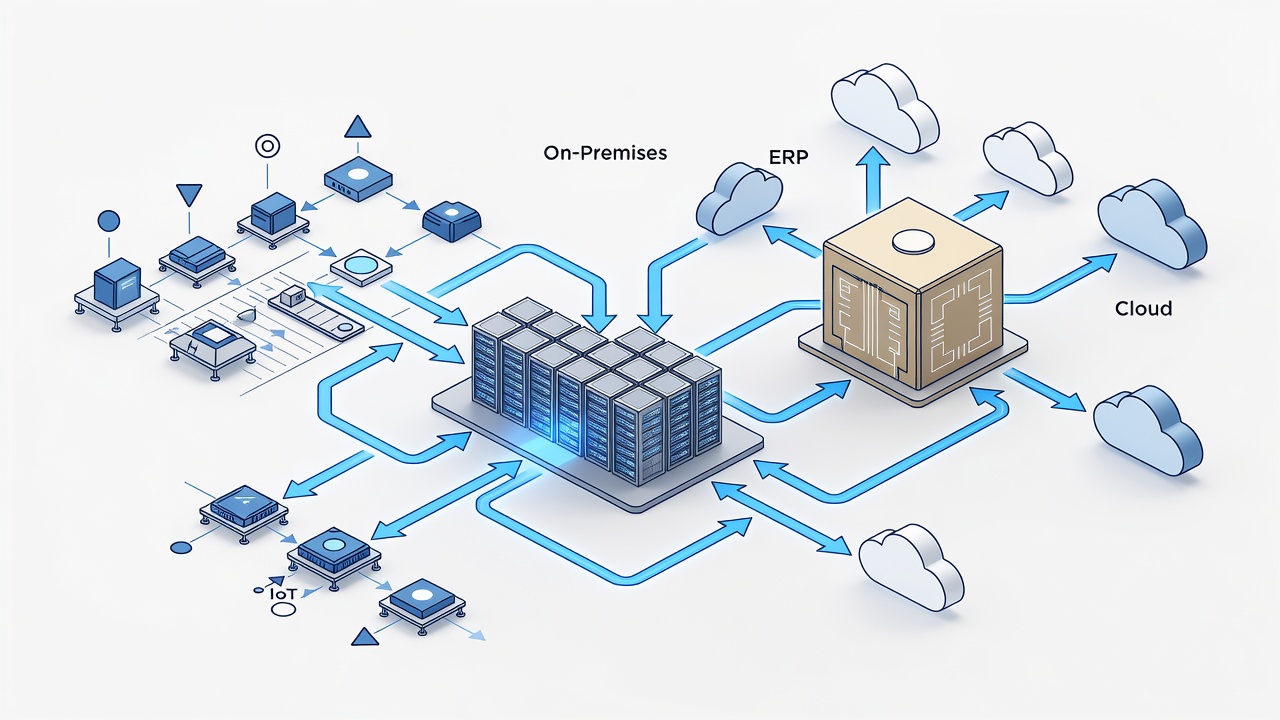
Hybrid Network Advantages
In modern business practice, hybrid network architectures reduce latency for critical processes while providing access to advanced analytics. Network Implementation ensures these benefits through careful planning of connectivity and resource allocation, allowing seamless integration of on-premises controls with cloud-based processing power.
Manufacturing and Industrial Workload Support
According to industry standards, Network Implementation supports real-time data flows from sensors and control systems by maintaining essential functions on-site while leveraging cloud capabilities for broader analysis and predictive insights.
Pre-Implementation Assessment Phase
A thorough assessment forms the foundation of every successful Network Implementation. This phase identifies legacy systems, device dependencies, and operational constraints that must remain functional during transition. Detailed inventory processes reveal hidden interdependencies that could otherwise disrupt production schedules.
| Phase | Key Tasks | Operational Considerations | Timeline Estimate |
|---|---|---|---|
| Assessment | Inventory legacy systems and edge devices | Account for production schedule constraints | 2-3 weeks |
| Networking | Map connectivity and bandwidth needs | Evaluate ISP redundancy options | 1-2 weeks |
| Security | Review compliance and access controls | Align with regulatory frameworks | 1-2 weeks |
Networking and Connectivity Requirements
Reliable connectivity between facilities and cloud platforms remains essential during Network Implementation. The process evaluates ExpressRoute or VPN options while accounting for ISP diversity to maintain consistent performance across all operational sites.
ExpressRoute and VPN Options
A common mistake businesses make is underestimating bandwidth needs for real-time data streams. Network Implementation addresses this by selecting appropriate dedicated or encrypted pathways based on workload demands and anticipated growth patterns.
Bandwidth and ISP Redundancy Evaluation
In real-world implementations, redundancy planning ensures continuity when primary links experience issues, supporting uninterrupted operations throughout the deployment and beyond.
Security and Compliance Checklist Items
Security remains a top priority in Network Implementation. The checklist incorporates established security baselines, identity management protocols, and encryption methods aligned with industry standards to protect sensitive data flows.
Identity and Encryption Standards
Network Implementation applies layered controls to protect data in transit and at rest while maintaining accessibility for authorized users across distributed environments.
Industry Compliance Mapping
According to industry standards, compliance mapping during Network Implementation helps organizations meet regulatory expectations through documented controls and audit-ready configurations.
Network Implementation Execution and Cutover Steps
Phased execution minimizes operational impact. Network Implementation sequences pilot workloads, validates performance metrics, and completes final switchover during planned maintenance windows to preserve business continuity.
Pilot Workload Deployment
Initial deployment of non-critical workloads allows teams to verify configurations before broader rollout, reducing overall project risk.
Final Switchover During Maintenance Windows
In modern business practice, staged cutover has delivered consistent success rates by limiting exposure during transition periods and enabling rapid rollback if needed.
Ready to plan your Network Implementation project with proven infrastructure specialists?
Common Pitfalls Encountered in Network Implementation
Many organizations underestimate legacy system dependencies and network latency during Network Implementation. Early identification of these risks allows for targeted mitigation steps based on established field experience from hundreds of successful deployments.
Pro Tips from Network Implementation Specialists
Specialists recommend starting with non-critical workloads and maintaining continuous monitoring throughout the process. A dedicated project lead ensures organizational goals remain the central focus during Network Implementation, delivering measurable improvements in uptime and security posture.
Frequently Asked Questions
What is the typical duration of a full Network Implementation project?
A full Network Implementation project typically spans 6 to 12 weeks depending on complexity and organizational scale.
How does Network Implementation address data residency requirements?
Network Implementation prioritizes US-based data centers and hybrid controls to meet compliance needs for data sovereignty.
Which connectivity methods are evaluated during Network Implementation?
ExpressRoute and VPN configurations are evaluated alongside ISP redundancy to ensure reliable connectivity.
What risks are commonly mitigated in Network Implementation?
Legacy system dependencies and network latency are flagged early with targeted mitigation based on proven field experience.
How does monitoring support Network Implementation success?
Continuous 24/7 monitoring combined with a dedicated project lead ensures organizational goals remain the focus throughout deployment.
Connect with a Specialist for Network Implementation here.
Related services: Cloud Computing | Cybersecurity | VoIP Solutions
